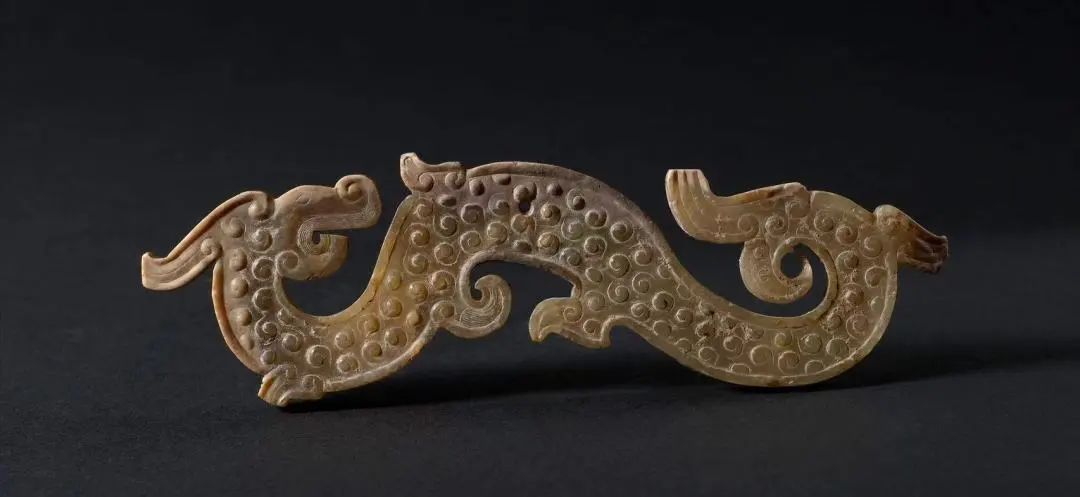
Warring States Period
Introduction
The Warring States Period, spanning from 475 to 221 BC, was a significant era in Chinese history marked by political fragmentation, intellectual flourishing, and technological innovation. Following the decline of the Zhou Dynasty's central authority, the period was characterized by the emergence of seven major states—Qin, Chu, Zhao, Wei, Han, Yan, and Qi—each vying for dominance. This era witnessed the development of a complex socio-political landscape, with states engaging in intricate alliances, military confrontations, and the gradual consolidation of power. The period concluded with the unification of China under the Qin Dynasty, marking the end of the chaotic Warring States Period and the beginning of imperial China.
Historical Context
The Warring States Period emerged from the broader historical backdrop of the Zhou Dynasty, particularly its later phase known as the Eastern Zhou (770-256 BC). The decline of the Zhou's central power gave rise to numerous regional states, each seeking to expand its territory and influence. The period was named after the incessant warfare among these states as they sought supremacy. The political landscape was characterized by the rise of militaristic and strategic innovations, with each state employing various tactics to gain an advantage over its rivals. The period's complexity was further compounded by the influence of philosophical thought, as Confucianism, Taoism, and Legalism offered competing visions for governance and ethical conduct. This intellectual richness contributed to shaping the social, political, and cultural fabric of the time.
Major States
Qin
The Qin State, originally situated in what is now Shaanxi province, emerged as a dominant force during the Warring States Period. Known for its military prowess and administrative efficiency, Qin implemented significant reforms under the leadership of figures like Shang Yang. These reforms included the centralization of power, the abolition of hereditary feudal privileges, and the creation of a meritocratic bureaucracy. The Qin's strategic location and aggressive expansionist policies enabled it to gradually conquer rival states. By the late Warring States Period, Qin's military superiority and centralized governance set the stage for the eventual unification of China under Qin Shi Huang, who established the first imperial dynasty in 221 BC.
Chu
Chu was one of the largest and most culturally distinct states during the Warring States Period, occupying vast territories along the middle and lower reaches of the Yangtze River. Known for its rich cultural heritage, Chu was a center of artistic and intellectual activity. Archaeological discoveries at sites like Wuwangdun reveal the sophistication of Chu's material culture, including intricate tomb structures, exquisite bronze vessels, and elaborate burial customs. The state's political history was marked by its initial rise as a formidable power and its eventual decline due to internal strife and external pressures. Despite its defeat by Qin in 223 BC, Chu's cultural legacy continued to influence the regions it once controlled.
Zhao
The State of Zhao, located in the northern part of China, was known for its strong military tradition and strategic innovations. Zhao was one of the key players in the Warring States period, often engaging in conflicts with neighboring states like Qin and Wei. The state's military strength was exemplified by its use of cavalry units, which were instrumental in several notable battles. Despite its military capabilities, Zhao struggled with internal challenges and suffered significant defeats, most famously in the Battle of Changping against Qin. The eventual decline of Zhao contributed to the shifting balance of power among the warring states.
Wei
The State of Wei was strategically located in the central plains of China, making it a crucial player in the power dynamics of the Warring States Period. Under the leadership of rulers like Wei Wenhou, the state implemented administrative and military reforms to strengthen its position. Wei was known for its contributions to legal and political thought, particularly through the works of thinkers like Li Kui. However, internal divisions and external pressures from rival states, particularly Qin and Chu, gradually weakened Wei. Despite its decline, the state's intellectual contributions continued to impact the broader philosophical landscape of China.
Han
Han was one of the smaller states during the Warring States Period, located in the southern part of the Yellow River basin. Despite its limited territorial expanse, Han played a significant role in the era's political and military affairs. The state was known for its efforts to maintain a balance of power among its more formidable neighbors, often engaging in strategic alliances. Han's geographic location placed it at a crossroads of cultural and technological exchange, influencing its development. The state's eventual annexation by Qin marked the end of its independent political identity but contributed to the broader unification process of China.
Yan
The State of Yan was situated in the northeastern part of China, bordered by rival states and the expanding territory of the Xiongnu nomads. Yan's geopolitical position necessitated a focus on both internal stability and external defense. The state was known for its fortified cities and strategic use of natural barriers. Yan's history during the Warring States Period was marked by periods of internal reform and external conflict. Despite its challenges, Yan maintained a degree of cultural and political autonomy until its eventual conquest by Qin. The state's interactions with neighboring regions contributed to the cultural exchanges and diversity of the period.
Qi
The State of Qi, located in the eastern part of China, was known for its economic prosperity and cultural achievements. Qi's strategic coastal position facilitated trade and cultural exchange, contributing to its wealth and influence. The state was a hub of intellectual activity, known for hosting the Jixia Academy, a center of philosophical discourse. Qi's political history during the Warring States Period was characterized by its attempts to balance power among the rival states, often engaging in diplomatic and military maneuvers. Despite its defeat by Qin, Qi's cultural and intellectual legacy persisted, influencing subsequent developments in Chinese history.
Political Developments
The political landscape of the Warring States Period was marked by significant developments in governance, diplomacy, and law. As states sought to consolidate power, they implemented various administrative reforms to strengthen central authority and enhance efficiency. The period witnessed the rise of legalist thought, which emphasized strict laws and centralized control as means to maintain order and stability. Key figures like Shang Yang in Qin and Wu Qi in Chu introduced reforms that centralized power, reduced the influence of hereditary nobility, and promoted meritocracy. These reforms laid the groundwork for the bureaucratic systems that characterized later imperial dynasties. Diplomacy also played a crucial role, with states engaging in alliances and treaties to counterbalance the power of rivals. The fluid political environment fostered a complex interplay of cooperation and conflict, shaping the trajectory of the Warring States Period.
Military Strategies and Battles
The Warring States Period was a time of profound military innovation and strategic development. As states competed for dominance, they invested heavily in military technology and tactics. The introduction of iron weaponry, crossbows, and cavalry units transformed warfare, allowing for more effective and mobile combat operations. Military strategists like Sun Bin and Wu Qi contributed to the development of advanced tactics, emphasizing the importance of flexibility, deception, and terrain in battle. Notable conflicts, such as the Battle of Changping and the Siege of Handan, demonstrated the evolving nature of warfare during the period. The intense competition among states fueled a continuous arms race, with each striving to outmaneuver its adversaries. These military advancements not only influenced the outcome of the period but also set the stage for subsequent developments in Chinese martial history.
Cultural and Technological Advancements
The Warring States Period was a time of significant cultural and technological innovation. As states competed for supremacy, they also fostered intellectual and artistic growth. Philosophical schools of thought, such as Confucianism, Taoism, and Legalism, flourished during this era, offering diverse perspectives on governance, ethics, and society. The Jixia Academy in Qi became a renowned center of learning, attracting scholars from across the region. Technological advancements were also prominent, with developments in metallurgy, agriculture, and mathematics. The discovery of counting rods during this period indicates the early use of mathematical concepts such as negative and positive numbers. Artistic expression thrived, as evidenced by the intricate lacquerware, bronze vessels, and silk paintings uncovered in archaeological sites. These cultural and technological achievements enriched the intellectual landscape and laid the foundation for future developments in Chinese civilization.
Economy and Society
The economy and society of the Warring States Period were characterized by significant changes and developments. As states expanded their territories, they sought to enhance agricultural productivity and trade networks to support their growing populations. The introduction of iron tools and improved farming techniques contributed to increased agricultural yields. The development of infrastructure, such as roads and canals, facilitated trade and communication among regions. Socially, the period saw the rise of a more diverse and complex class structure, with the emergence of a growing merchant class and the decline of hereditary aristocracy. Legalist reforms in states like Qin aimed to break the power of traditional nobility and promote social mobility based on merit. These economic and social changes contributed to the dynamic and evolving nature of the Warring States Period, setting the stage for the unification of China and the establishment of the Qin Dynasty.
Legacy and Influence
The legacy of the Warring States Period is profound and enduring, influencing subsequent developments in Chinese history and culture. The unification of China under the Qin Dynasty marked the culmination of the period's political and military struggles. The administrative and legal reforms introduced during the Warring States Period laid the foundation for the centralized imperial system that characterized later dynasties. The philosophical and cultural achievements of the era continued to shape Chinese thought and identity, with Confucianism and Legalism becoming integral components of imperial governance. The technological advancements and innovations in warfare influenced military tactics and strategies in subsequent centuries. The Warring States Period remains a pivotal chapter in Chinese history, representing a time of profound transformation and the emergence of a unified Chinese civilization.








